
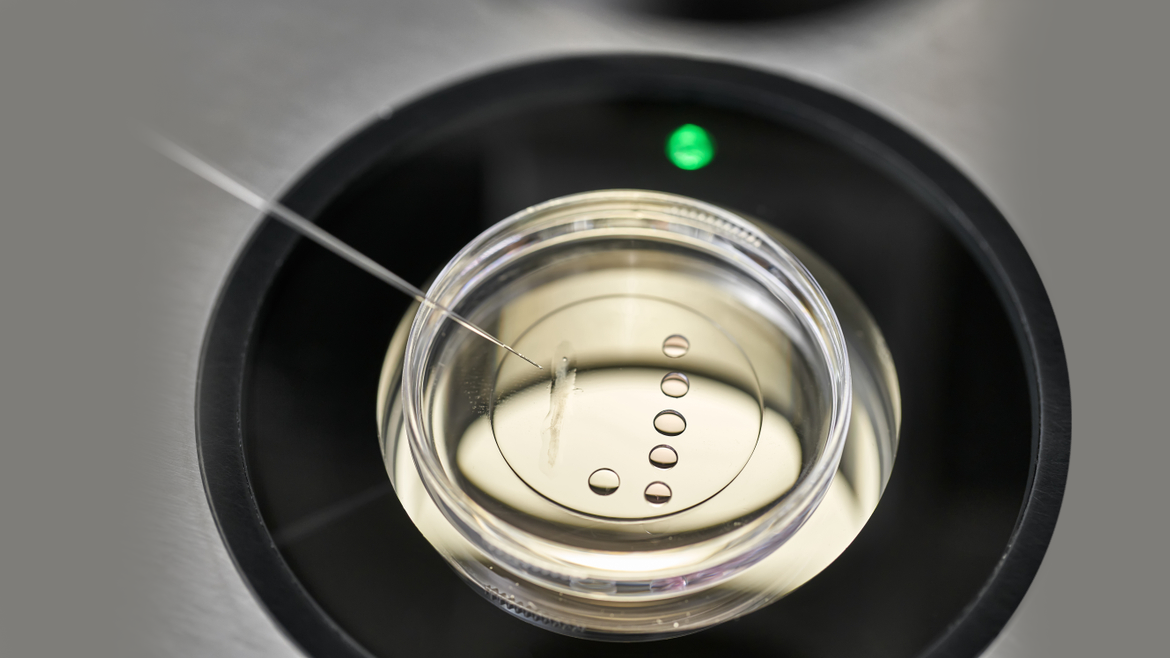
Building a family can be a deeply personal and sometimes challenging journey. In Vitro Fertilization (IVF) is one of the most advanced and widely used fertility treatments, offering hope to individuals and couples who are struggling to conceive.
This page provides a comprehensive overview of IVF, what to expect, and the support available throughout your journey.
What is IVF?
IVF, or In-Vitro Fertilization, is a process where eggs are retrieved from the ovaries and fertilized with sperm in a laboratory setting. The resulting embryos are then carefully monitored, and one or more healthy embryos are transferred to the uterus, with the hope of achieving a successful pregnancy.
Who Might Consider IVF?
- Couples experiencing infertility due to blocked or damaged fallopian tubes, low sperm count, or unexplained infertility.
- Individuals or couples facing genetic concerns who wish to screen embryos
- Women with ovulation disorders or endometriosis.
- Single parents and same-sex couples wishing to build a family, often with the help of donor eggs, sperm, or embryos.
The IVF Process: Step by Step
Initial Consultation and Assessment:
Comprehensive evaluation of medical history, fertility testing, and discussion of treatment options. A personalized plan is created based on your unique needs.
Ovarian Stimulation:
Hormonal medications stimulate the ovaries to produce multiple eggs. Regular monitoring with ultrasounds and blood tests tracks progress.
Egg Retrieval:
A minor procedure is performed under sedation to collect mature eggs from the ovaries.
Fertilization and Embryo Culture:
Eggs are combined with sperm in the laboratory. Embryos are monitored for development over several days.
Embryo Transfer:
One or more healthy embryos are selected and gently transferred to the uterus. The number of embryos transferred is discussed based on individual circumstances.
Pregnancy Testing and Follow-Up:
A blood test is performed about two weeks after embryo transfer to determine if implantation was successful. Ongoing support and care continue during the early stages of pregnancy.
Additional IVF Options
Donor Eggs, Sperm, or Embryos: For those who require or choose to use donor genetic material.
Pre-implantation Genetic Testing (PGT): Screening embryos for genetic conditions or chromosomal abnormalities before transfer.
Fertility Preservation: Egg or embryo freezing for those wishing to delay pregnancy.
Emotional Support and Counseling
The IVF journey can be emotionally complex. Support is available at every stage, including:
- Access to counseling and mental health professionals.
- Referrals to support groups and online communities.
- Resources for coping with the emotional ups and downs of fertility treatment
Considering IVF?
If you are exploring IVF as a pathway to building your family, know that you are not alone. Take time to gather information, ask questions, and seek support. Each journey is unique, and compassionate professionals are available to guide you through every step with understanding and care.