🕑 Reading Time: 8 Minutes
IVF myths and facts are often confused in everyday conversations, social media posts, and even family discussions across India. IVF myths create unnecessary fear and prevent many couples from seeking the fertility treatment they need. Misinformation about IVF — from claims that it causes cancer to beliefs that IVF babies are somehow different from naturally conceived children — continues to circulate despite decades of scientific evidence proving otherwise. In a country where fertility treatment is still surrounded by stigma in many communities, separating myths from facts is not just educational — it is essential for helping couples make confident, informed decisions. This article addresses the ten most common IVF misconceptions with clear, evidence-based answers, so you can approach your fertility journey with accurate knowledge rather than fear and confusion.
IVF Myths vs Facts
10 Common Misconceptions Debunked with Medical Evidence
Source: Fertility & Sterility, ASRM, WHO | ivftreatmentcost.in
❌ Myth vs ✅ Fact
💪 All 10 Myths: BUSTED
💡 Knowledge Is Power
Don’t let myths prevent you from seeking fertility treatment. Rely on your fertility specialist and peer-reviewed research — not social media or family rumors. Every myth debunked is another couple given the courage to seek the help they need.
Myth 1: IVF Guarantees a Successful Pregnancy
Fact: One of the most damaging IVF myths is that it guarantees pregnancy. In reality, IVF success rates vary significantly based on age, cause of infertility, embryo quality, and clinic expertise. For women under 35, the average live birth rate per IVF cycle is approximately forty to fifty percent. This decreases to about twenty to thirty percent for women aged 38 to 40, and below fifteen percent for women over 42 using their own eggs. Many couples require two or three cycles before achieving a successful pregnancy. While IVF is the most effective fertility treatment available, setting realistic expectations based on your individual circumstances is important. Your fertility specialist should provide personalized success estimates based on your age, diagnosis, ovarian reserve, and embryo quality. Understanding that IVF is a powerful tool — not a magic guarantee — helps patients approach treatment with appropriate hope balanced by realism.
Myth 2: IVF Babies Are Less Healthy Than Naturally Conceived Children
Fact: This is one of the most persistent myths about IVF and one of the most thoroughly debunked by medical research. Large-scale studies tracking IVF children over decades have consistently shown that children born through IVF are as healthy as those conceived naturally. A landmark study published in the journal Fertility and Sterility followed over 2.5 million IVF children and found no significant differences in physical health, cognitive development, or psychological well-being compared to naturally conceived peers. The slight increase in low birth weight and preterm delivery observed in some studies is primarily attributed to the higher rate of multiple pregnancies in IVF, not the IVF process itself. When comparing singleton IVF pregnancies to singleton natural pregnancies, outcomes are remarkably similar. In fact, with the advent of preimplantation genetic testing (PGT), IVF now allows doctors to screen embryos for chromosomal abnormalities before transfer, potentially reducing the risk of certain genetic conditions compared to natural conception.
“In a world of noise, clarity is power.” — Yuval Noah Harari
Clearing up IVF myths gives patients the clarity to make empowered fertility decisions.
Myth 3: IVF Always Results in Twins or Triplets
The Truth About IVF and Multiple Pregnancies
Fact: While IVF historically had higher rates of multiple pregnancies due to the common practice of transferring multiple embryos, modern IVF has changed dramatically. Today, single embryo transfer (SET) is the standard of care at leading fertility clinics worldwide, and when practiced, the twin rate drops to just two to three percent — nearly the same as natural conception. The perception that IVF always produces multiples comes from an era when doctors routinely transferred three or more embryos to improve per-cycle success rates. Advances in laboratory technology, including better culture media, time-lapse embryo monitoring, and preimplantation genetic testing, now allow specialists to select the single best embryo with very high confidence. This means modern IVF can achieve excellent pregnancy rates with one embryo, making twin and triplet pregnancies largely preventable. If your clinic is still routinely recommending multiple embryo transfer, it may be worth discussing whether single embryo transfer is appropriate for your situation.
Myth 4: IVF Medications Cause Cancer
Fact: The fear that fertility drugs used in IVF treatment cause cancer is one of the most anxiety-producing IVF myths. Multiple large-scale epidemiological studies have examined this concern over decades and consistently found no significant increase in ovarian, breast, or uterine cancer risk associated with IVF medications. A comprehensive meta-analysis published in Human Reproduction Update analyzed data from over 1.8 million women and confirmed that gonadotropins and other fertility drugs do not meaningfully increase lifetime cancer risk. Some early smaller studies suggested a possible link, but these did not account for the fact that infertility itself — regardless of treatment — carries slightly elevated cancer risks. When controlling for infertility as a baseline factor, the additional risk from IVF drugs disappears. It is important to note that patients with BRCA mutations or strong family histories of cancer should discuss their individual risk profile with both their oncologist and fertility specialist before proceeding with IVF.
Research Citation: Brinton, L.A. et al. (2013). “In vitro fertilization and risk of breast and gynecologic cancers: a retrospective cohort study.” Fertility and Sterility, 99(3), 830-836. This study of over 67,000 women found no increased risk of breast, ovarian, or uterine cancer among women who underwent IVF compared to infertile women who did not.
Myth 5: IVF Is Only for Older Women or Last Resort
Who Actually Benefits from IVF Treatment?
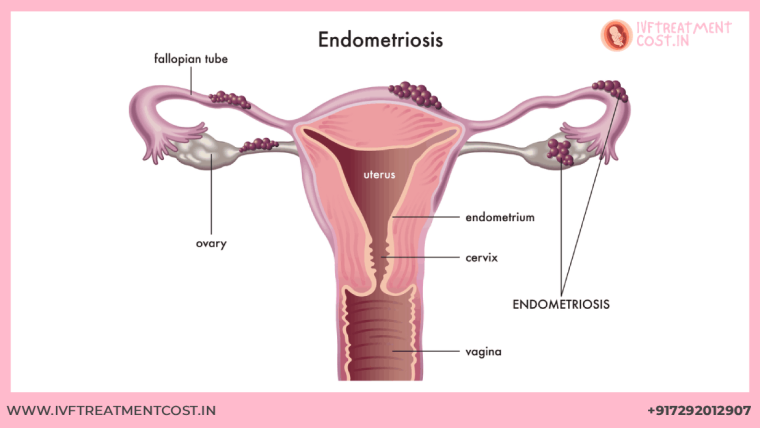
Fact: Another common misconception about IVF is that it is a treatment of last resort reserved only for older women. In truth, IVF is used across all age groups for a wide range of fertility conditions. Young women in their twenties may need IVF for blocked fallopian tubes, severe endometriosis, genetic conditions requiring PGT, or male factor infertility. IVF is also the primary treatment for same-sex couples and single women using donor sperm or eggs. Starting IVF earlier — when eggs are younger and more numerous — often leads to better outcomes than waiting until all other options have been exhausted. The outdated mindset of treating IVF as a last resort can actually harm patients by delaying effective treatment during their most fertile years. Leading fertility organizations now recommend moving to IVF sooner when other treatments like timed intercourse and IUI have not succeeded within a reasonable timeframe, typically six to twelve months.
IVF Myths vs Facts: Complete Summary
| # | IVF Myth ❌ | Fact ✅ |
|---|---|---|
| 1 | IVF guarantees pregnancy | Success rates are 30-50% per cycle depending on age and other factors |
| 2 | IVF babies are less healthy | Studies show IVF children are equally healthy as naturally conceived children |
| 3 | IVF always means twins | Single embryo transfer reduces twin rate to 2-3%, similar to natural conception |
| 4 | Fertility drugs cause cancer | Large studies show no significant cancer risk increase from IVF medications |
| 5 | IVF is only for older women | IVF treats patients of all ages for various conditions including male infertility |
| 6 | IVF is very painful | Most patients describe mild discomfort; egg retrieval is done under sedation |
| 7 | Bed rest is essential after transfer | Research shows normal activity does not reduce implantation success |
| 8 | IVF uses up all your eggs | IVF saves eggs that would otherwise be lost naturally in that cycle |
| 9 | IVF causes birth defects | Birth defect rates in IVF babies are comparable to the general population |
| 10 | Only women’s issues cause IVF need | Male factor infertility accounts for 40-50% of all infertility cases |
More IVF Myths Debunked
Several other IVF myths deserve attention because they continue to influence patient decisions. The belief that IVF is extremely painful stops many women from even consulting a fertility specialist — in reality, most patients describe the process as involving mild discomfort, and the egg retrieval is performed under sedation so patients feel nothing during the procedure. The myth that complete bed rest is necessary after embryo transfer has been thoroughly disproven by research showing that normal daily activities do not reduce implantation chances. Another persistent misconception is that IVF depletes your egg supply and causes early menopause. The truth is that IVF medications simply rescue eggs that would have been naturally lost in that particular menstrual cycle — only one egg is normally selected by the body, while fifteen to twenty others start developing but are reabsorbed. IVF saves those eggs that would have been wasted. Finally, the myth that infertility is primarily a woman’s problem is factually incorrect — male factor infertility contributes to approximately forty to fifty percent of all cases.
- IVF is not painful — injections cause minor discomfort, and egg retrieval is done under sedation
- No bed rest needed — studies confirm normal activity after embryo transfer is safe and possibly beneficial
- IVF does not cause early menopause — it only rescues eggs from the current cycle that would be naturally lost
- Male infertility matters equally — approximately half of infertility cases involve male factor issues
- IVF is not just for the wealthy — India offers high-quality IVF at a fraction of Western costs, with EMI options
- Lifestyle affects IVF outcomes — diet, weight, exercise, and stress management all influence success rates
💬 Patient Testimonial:
“Before starting IVF, I believed so many myths. My mother-in-law said IVF babies are not normal and IVF will give me cancer. I was terrified. My doctor spent an entire consultation showing me research papers and explaining the facts. Once I understood the real science behind IVF, I felt empowered instead of scared. Our IVF baby is now 18 months old and perfectly healthy. Education is the best medicine against IVF myths.”
— Sunita K., Chennai | IVF Patient, 2024
🎯 Key Takeaway
IVF myths create unnecessary barriers to effective fertility treatment. The facts are clear: IVF does not cause cancer, IVF babies are equally healthy as naturally conceived children, modern IVF does not always result in twins, and IVF is not just a last resort. Arming yourself with evidence-based facts about IVF helps you overcome fear, make informed decisions, and approach your fertility journey with confidence. Always rely on your fertility specialist and medical research — not social media or family rumors — for information about IVF.
Final Thoughts on IVF Myths and Facts
Separating IVF myths from facts is essential for every couple considering fertility treatment in India. Misinformation leads to delayed treatment, unnecessary anxiety, and poor decision-making. The science behind IVF treatment is robust, with decades of research and millions of healthy babies born worldwide confirming its safety and effectiveness. By educating yourself, asking questions, and seeking information from qualified medical professionals, you can overcome the myths that hold so many couples back from the family they desire. Share accurate IVF information with your family and community — because every myth debunked is another couple given the courage to seek the help they need.
Frequently Asked Questions About IVF Myths
Q1: Does IVF guarantee pregnancy?
No. Success rates range from 30-50% per cycle. Multiple cycles may be needed based on individual factors.
Q2: Are IVF babies less healthy than natural babies?
No. Large studies confirm IVF children have the same health outcomes as naturally conceived children.
Q3: Does IVF always result in twins?
No. Single embryo transfer keeps twin rates at 2-3%, similar to natural conception rates.
Q4: Does IVF cause cancer?
No. Extensive research shows no significant cancer risk increase from IVF fertility medications.
Q5: Is IVF only for women with blocked tubes?
No. IVF treats male infertility, endometriosis, PCOS, unexplained infertility, and many other conditions.
Q6: Is IVF extremely painful?
Most patients experience only mild discomfort. Egg retrieval is performed under sedation for a pain-free experience.
References
- Brinton, L.A. et al. (2013). “IVF and risk of breast and gynecologic cancers.” Fertility and Sterility, 99(3), 830-836.
- Bergh, C. & Wennerholm, U.B. (2020). “Long-term health of children conceived after IVF.” Human Reproduction, 35(1), 22-30.
- Purcell, K. & Schembri, M. (2007). “Bed rest after embryo transfer.” Fertility and Sterility, 87(6), 1322-1326.
- Practice Committee of ASRM. (2024). “Evidence-based outcomes of IVF.” Fertility and Sterility.
- WHO. (2024). “Infertility Fact Sheet.” World Health Organization.