🕑 Reading Time: 7 Minutes
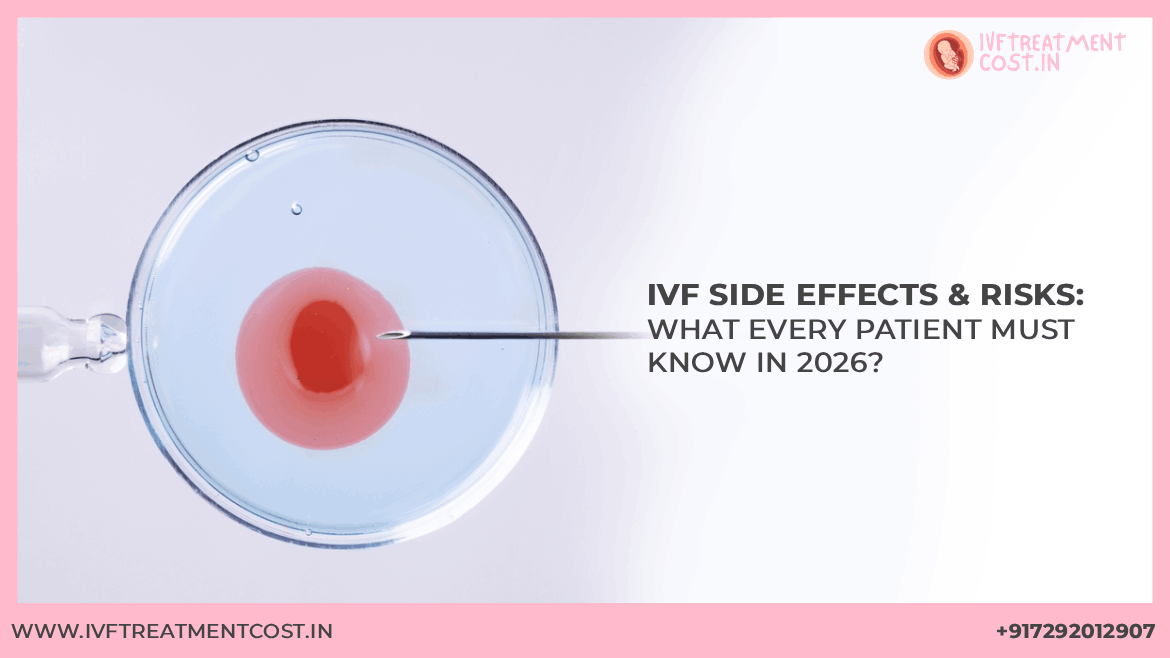
IVF side effects and risks are a major concern for every couple considering in vitro fertilization as a path to parenthood. Understanding IVF side effects before you begin treatment helps you make informed decisions, prepare emotionally, and communicate better with your fertility specialist. While IVF has helped millions of families worldwide, the process involves hormonal medications, surgical procedures, and emotional challenges that carry certain risks. In India, where IVF cycles are becoming increasingly accessible and affordable, it is essential that patients understand both the common and rare complications associated with fertility treatment. This comprehensive guide covers every aspect of IVF risks, backed by medical research and real patient experiences, so you can approach your fertility journey with clarity and confidence.
Common IVF Side Effects Every Patient Experiences
Most women undergoing IVF treatment will experience some degree of side effects from IVF medications and procedures. These are generally mild and temporary, resolving within days or weeks after the treatment cycle ends. The hormonal injections used for ovarian stimulation are the primary cause of most physical discomforts. Follicle-stimulating hormone (FSH) and luteinizing hormone (LH) analogs push the ovaries to produce multiple eggs, which naturally leads to changes in the body. Common physical side effects include abdominal bloating, mild pelvic cramping, breast tenderness, headaches, and fatigue. Some women also report hot flashes, nausea, and increased vaginal discharge during the stimulation phase. These symptoms are generally manageable with rest, hydration, and over-the-counter pain relief as recommended by your doctor.
Physical Symptoms of IVF Side Effects
- Bloating and abdominal discomfort – caused by enlarged ovaries during stimulation
- Injection site reactions – redness, bruising, or soreness at the injection area
- Headaches and fatigue – related to hormonal fluctuations throughout the cycle
- Mood swings – emotional ups and downs driven by high estrogen levels
- Breast tenderness – similar to premenstrual symptoms but often more intense
- Nausea and dizziness – occasional effects from progesterone supplements
- Mild spotting after egg retrieval – normal and typically resolves in 24-48 hours
After the egg retrieval procedure, patients may feel soreness in the pelvic area, experience light vaginal bleeding, and have some constipation. These post-procedure IVF side effects are considered normal and expected. Most fertility clinics in India provide detailed aftercare instructions and a helpline number for patients to call if symptoms feel unusual or severe. It is important to remember that every woman responds differently to IVF medications, so the intensity and duration of side effects can vary significantly from one patient to another. Keeping a symptom diary and sharing it with your fertility team can help them adjust your protocol for better comfort in future cycles.
“The greatest glory in living lies not in never falling, but in rising every time we fall.” — Nelson Mandela
The IVF journey requires courage and resilience at every step.
IVF Side Effects & Risks
Understanding What to Expect During Your IVF Journey
Source: ASRM, ESHRE & Human Reproduction Journal | ivftreatmentcost.in
📊 How Common Are IVF Side Effects?
Data: ASRM Practice Committee (2024) & Human Reproduction, Vol. 38
⚠️ IVF Risk Severity Categories
🔬 OHSS Breakdown in IVF Cycles
66% – No OHSS (Normal response)
~32% – Mild OHSS (Self-resolving)
~2% – Severe OHSS (Needs treatment)
Source: Mourad et al. (2023), Human Reproduction, Vol. 38
📅 When Do IVF Side Effects Occur?
Mild bloating, injection site soreness, slight fatigue begins
Bloating increases, mood swings, breast tenderness, headaches possible
Maximum bloating, pelvic pressure, emotional sensitivity peaks
Mild pelvic pain post-procedure, light spotting, drowsiness from sedation
Symptoms gradually resolve. Watch for severe OHSS symptoms if they develop.
💪 5 Ways to Reduce IVF Risks
Serious IVF Risks You Should Know About
While most IVF side effects are mild, there are certain serious risks that patients need to understand before starting treatment. The most significant medical risk associated with IVF is Ovarian Hyperstimulation Syndrome (OHSS), which occurs when the ovaries over-respond to fertility medications. Multiple pregnancy is another well-documented risk, as transferring more than one embryo increases the chance of twins or triplets. Ectopic pregnancy, where the embryo implants outside the uterus, occurs in approximately two to five percent of IVF pregnancies. Surgical risks from egg retrieval, though rare, include bleeding, infection, and damage to surrounding organs such as the bladder or bowel. Understanding these risks of IVF allows patients to have meaningful conversations with their doctors about risk reduction strategies tailored to their individual health profile.
Understanding OHSS: A Critical IVF Risk
Ovarian Hyperstimulation Syndrome is one of the most discussed IVF risks in reproductive medicine. OHSS happens when fertility drugs cause the ovaries to swell and leak fluid into the body. Mild OHSS affects up to thirty-three percent of IVF cycles and presents with bloating, mild abdominal pain, and slight weight gain. Moderate OHSS involves more noticeable fluid accumulation, increased abdominal girth, and nausea. Severe OHSS, which affects roughly one to two percent of patients, can lead to rapid weight gain, severe abdominal pain, shortness of breath, blood clots, and kidney problems. Modern fertility clinics in India have adopted several strategies to minimize OHSS risk, including lower medication doses, trigger shot modifications using GnRH agonists instead of hCG, and the freeze-all approach where all embryos are frozen and transferred in a later cycle when the ovaries have returned to normal size.
Research Citation: A 2023 study published in Human Reproduction (Mourad et al., Vol. 38, Issue 7, pp. 1345-1356) found that the freeze-all strategy reduced severe OHSS incidence by 70% compared to fresh embryo transfer cycles. The study analyzed over 12,000 IVF cycles across multiple fertility centers.
Emotional and Psychological IVF Side Effects
The emotional toll of IVF is often underestimated but represents one of the most significant side effects of IVF treatment. Patients frequently report feelings of anxiety, sadness, frustration, and hopelessness, particularly after unsuccessful cycles. The hormonal medications themselves can amplify emotional responses, making everyday stressors feel overwhelming. The financial burden of IVF, combined with the uncertainty of outcomes, creates a unique form of stress that affects both partners. Studies show that women undergoing IVF experience anxiety levels comparable to patients diagnosed with cancer or heart disease. In India, where fertility struggles still carry social stigma in many communities, the emotional pressure can be even more intense. It is crucial for patients to seek psychological support, join fertility support groups, and practice stress-management techniques like mindfulness, gentle yoga, and journaling throughout their IVF journey.
💬 Patient Testimonial:
“During my second IVF cycle, the bloating and mood swings were tough. But what really helped was knowing what to expect. My doctor at the clinic in Delhi explained every IVF side effect beforehand. The emotional support from my husband and the online fertility community kept me strong. On my third cycle, we finally had our baby girl. Understanding the risks made me feel more in control of the process.”
— Priya M., Delhi | IVF Patient, 2025
IVF Side Effects & Risk Comparison Table
| IVF Side Effect / Risk | Frequency | Severity | Management |
|---|---|---|---|
| Bloating & Cramping | Very Common (80%+) | Mild | Rest, hydration, OTC pain relief |
| Mood Swings | Common (60%) | Mild–Moderate | Counseling, support groups |
| Mild OHSS | Common (33%) | Mild–Moderate | Monitoring, fluid intake |
| Severe OHSS | Rare (1-2%) | Severe | Hospitalization, IV fluids |
| Multiple Pregnancy | Moderate (20-30%) | Moderate–High | Single embryo transfer (SET) |
| Ectopic Pregnancy | Rare (2-5%) | Severe | Early ultrasound monitoring |
| Emotional Distress | Very Common (70%+) | Moderate | Therapy, mindfulness, support |
How to Minimize IVF Side Effects and Risks
Practical Steps to Reduce IVF Risks
Reducing the risks associated with IVF starts with choosing an experienced fertility clinic with strong protocols for patient safety. In India, clinics accredited by the National Accreditation Board for Hospitals (NABH) or those following ICMR guidelines tend to have better outcomes and lower complication rates. Patients should discuss individualized stimulation protocols with their doctor, as tailored medication doses based on age, weight, AMH levels, and previous cycle history significantly reduce the chance of OHSS and other IVF side effects. Single embryo transfer is now widely recommended as the standard of care to prevent multiple pregnancies and their associated complications. Lifestyle modifications such as maintaining a healthy weight, avoiding alcohol and smoking, eating a balanced diet rich in antioxidants, and managing stress through regular exercise also contribute to safer IVF outcomes. Staying well-hydrated during stimulation, attending all monitoring appointments, and reporting unusual symptoms promptly are simple but effective ways to protect your health during the IVF process.
🎯 Key Takeaway
IVF side effects and risks are real but manageable with proper medical guidance. Most side effects like bloating, mood swings, and fatigue are temporary and mild. Serious risks such as OHSS and multiple pregnancy can be significantly reduced through modern protocols like freeze-all cycles and single embryo transfer. Knowledge, preparation, and a trusted fertility team are your strongest tools for a safe IVF journey.
Final Thoughts on IVF Side Effects and Risks
Understanding IVF side effects and risks is not meant to discourage you from pursuing fertility treatment but to empower you with knowledge that leads to better outcomes. Every medical procedure carries some level of risk, and IVF is no exception. However, advances in reproductive medicine have made IVF treatment safer than ever before. By working closely with your fertility specialist, following prescribed protocols, and prioritizing both your physical and emotional health, you can navigate the IVF process with confidence. If you are considering IVF in India, take time to research clinics, ask detailed questions about their complication rates, and build a support system that sustains you through every step of this journey.
Frequently Asked Questions About IVF Side Effects
Q1: What are the most common IVF side effects?
Common IVF side effects include bloating, mild cramping, breast tenderness, mood swings, and headaches from hormone medications used during ovarian stimulation.
Q2: Is OHSS dangerous during IVF treatment?
Severe OHSS affects about 1-2% of patients and requires immediate medical care. Symptoms include severe pain, rapid weight gain, and breathing difficulty.
Q3: Does IVF increase the risk of cancer?
Current research shows no significant long-term cancer risk increase from IVF medications. Large-scale studies confirm fertility drugs are safe.
Q4: How long do IVF side effects last?
Most IVF side effects resolve within one to two weeks after egg retrieval. Hormonal symptoms fade once medication stops.
Q5: Can IVF cause emotional or mental health issues?
Many patients experience anxiety and depression during IVF. Professional counseling and fertility support groups are strongly recommended.
Q6: Is IVF safe for women over 40?
IVF is generally safe for women over 40 but requires closer monitoring. Risks like OHSS are lower due to reduced ovarian response at older ages.
References
- Mourad, S. et al. (2023). “Freeze-all strategy and OHSS prevention in IVF.” Human Reproduction, Vol. 38, Issue 7, pp. 1345-1356.
- ICMR National Guidelines for Accreditation, Supervision & Regulation of ART Clinics in India (2022).
- Practice Committee of the ASRM. (2024). “Prevention of moderate and severe OHSS.” Fertility and Sterility, 121(3), 456-468.
- Boivin, J. et al. (2007). “Emotional distress in infertile women and failure of assisted reproductive technologies.” Human Reproduction, 22(4), 1157-1162.
- World Health Organization. (2024). “Infertility Fact Sheet.” WHO Website.