🕑 Reading Time: 8 Minutes
Endometriosis and IVF treatment is a topic that affects millions of women trying to conceive across India and the world. Endometriosis, a condition where tissue similar to the uterine lining grows outside the uterus, is one of the leading causes of female infertility. It affects roughly ten to fifteen percent of women of reproductive age and can significantly impact natural conception. In vitro fertilization offers a proven pathway to pregnancy for endometriosis patients, but success rates depend on several factors including the stage of disease, ovarian reserve, and the treatment protocol used. This guide explains everything you need to know about IVF treatment for endometriosis, from diagnosis through embryo transfer, with real data and expert-backed strategies to maximize your chances of success.
What Is Endometriosis and How Does It Cause Infertility?
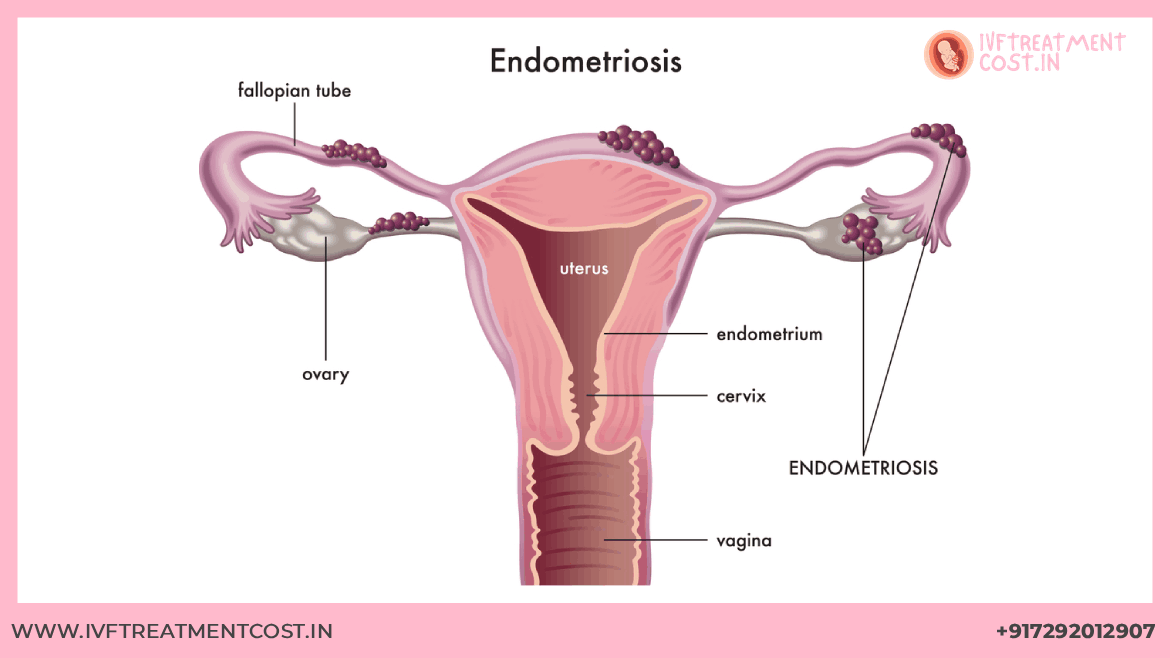
Endometriosis occurs when endometrial-like tissue implants on organs outside the uterus, commonly on the ovaries, fallopian tubes, and pelvic lining. These implants respond to monthly hormonal cycles, causing chronic inflammation, scarring, and adhesion formation. For women trying to conceive, endometriosis affects fertility through multiple mechanisms. The inflammation in the pelvic cavity creates a hostile environment for egg development and fertilization. Adhesions can block or damage the fallopian tubes, preventing the egg from reaching the sperm. Endometriomas — also called chocolate cysts — form on the ovaries and can destroy healthy ovarian tissue, reducing egg reserve over time. Additionally, research shows that the inflammatory chemicals produced by endometrial implants can impair embryo implantation in the uterine lining, even when the uterus itself appears normal on imaging.
How Endometriosis Affects IVF Treatment Outcomes
Endometriosis can impact IVF treatment at several stages of the process. During ovarian stimulation, women with endometriosis often have a reduced response to fertility medications, particularly those with endometriomas that have compromised ovarian reserve. Studies show that endometriosis patients typically produce fewer eggs per cycle compared to women with other causes of infertility. The quality of eggs retrieved may also be affected, as the inflammatory environment created by endometriosis generates oxidative stress that damages oocytes. Fertilization rates are generally comparable to non-endometriosis patients, but implantation rates can be lower, particularly in women with deep infiltrating endometriosis or adenomyosis (endometriosis within the uterine muscle). Despite these challenges, IVF remains the most effective fertility treatment for endometriosis, especially for moderate to severe stages where natural conception is unlikely.
Endometriosis & IVF Treatment
How Endometriosis Affects Fertility and IVF Success Rates
Source: Human Reproduction Update, ESHRE Guidelines | ivftreatmentcost.in
📊 Endometriosis by the Numbers
Source: WHO Fact Sheet (2024) & ESHRE Guidelines (2022)
🎯 IVF Success Rates by Endometriosis Stage
Source: Hamdan et al. (2015), Human Reproduction Update, Vol. 21
🔭 How Endometriosis Impacts IVF
💉 IVF Treatment Protocol for Endometriosis
GnRH agonist (Lupron/Zoladex) to calm endometrial implants and reduce inflammation
Higher-dose gonadotropins to recruit maximum follicles from reduced ovarian reserve
Ultrasound-guided egg collection followed by ICSI for optimal fertilization rates
Blastocyst culture with genetic testing to select healthiest embryos
Transfer in a subsequent cycle when uterine lining is optimally prepared
💡 Tips to Improve IVF Success with Endometriosis
“Strength does not come from winning. Your struggles develop your strengths.” — Arnold Schwarzenegger
Every endometriosis warrior fighting for motherhood embodies this strength.
Endometriosis Stages and IVF Success Rates
IVF Success Rates by Endometriosis Stage
| Endometriosis Stage | Description | IVF Success Rate (per cycle) | Recommended Approach |
|---|---|---|---|
| Stage I (Minimal) | Small implants, no adhesions | 38–42% | IUI first, then IVF |
| Stage II (Mild) | More implants, minimal scarring | 34–40% | IVF recommended |
| Stage III (Moderate) | Endometriomas, adhesions | 28–35% | Surgery + IVF |
| Stage IV (Severe) | Large cysts, dense adhesions | 22–30% | Surgery + IVF with PGT |
Research Citation: Hamdan, M. et al. (2015). “The impact of endometrioma on IVF/ICSI outcomes: a systematic review and meta-analysis.” Human Reproduction Update, Vol. 21, Issue 6, pp. 809-825. This meta-analysis of 36 studies confirmed that endometriomas reduce the number of oocytes retrieved but do not necessarily reduce pregnancy rates when appropriate protocols are used.
IVF Treatment Protocol for Endometriosis Patients
The IVF treatment protocol for endometriosis patients often differs from standard IVF to account for the unique challenges this condition presents. Many reproductive endocrinologists recommend a period of hormonal suppression with GnRH agonists (such as Lupron or Zoladex) for two to three months before starting ovarian stimulation. This down-regulation protocol calms the endometrial implants, reduces inflammation, and may improve egg quality and implantation rates. The antagonist protocol is another popular option that offers a shorter treatment timeline with comparable outcomes for many endometriosis patients. During stimulation, doctors typically use higher doses of gonadotropins because endometriosis patients often have a reduced ovarian response. Intracytoplasmic sperm injection (ICSI) is frequently used alongside IVF for endometriosis patients to maximize fertilization rates, even when sperm quality is normal.
Should You Have Surgery Before IVF for Endometriosis?
The decision about whether to undergo laparoscopic surgery before IVF treatment for endometriosis depends on several factors. For endometriomas larger than four centimeters, most guidelines recommend surgical excision before IVF to improve access to the ovaries during egg retrieval and potentially improve ovarian response. However, surgery on the ovaries carries the risk of removing healthy ovarian tissue, which can further reduce egg reserve. For Stage I and II endometriosis, evidence suggests that surgical excision of implants may slightly improve natural conception rates but does not significantly improve IVF outcomes. For severe Stage III and IV disease with significant adhesions affecting the pelvic anatomy, surgery can be beneficial to restore normal anatomical relationships and improve access for egg collection. The best approach is a personalized discussion with your fertility specialist who can evaluate your specific situation through imaging, blood tests, and clinical assessment.
Tips to Improve IVF Success with Endometriosis
- Start early – endometriosis is progressive, and ovarian reserve declines over time, so seeking treatment sooner improves outcomes
- Consider egg freezing – if you are not ready for pregnancy, preserving eggs now protects against future decline
- Anti-inflammatory diet – foods rich in omega-3 fatty acids, turmeric, and leafy greens can help reduce pelvic inflammation
- Hormonal pre-treatment – GnRH agonist suppression before IVF may improve implantation rates in moderate-severe endometriosis
- Choose an experienced clinic – clinics specializing in endometriosis fertility treatment achieve better outcomes
- Genetic testing of embryos – PGT-A helps select the healthiest embryos for transfer, improving per-transfer success rates
- Manage stress – chronic stress worsens inflammation; yoga, meditation, and counseling support both mental and reproductive health
Implementing these strategies alongside medical treatment creates the strongest foundation for a successful IVF cycle with endometriosis. Communicating openly with your fertility team about your symptoms, concerns, and goals helps them tailor the treatment plan to your specific needs. Many women with endometriosis successfully conceive through IVF, and advances in reproductive technology continue to improve outcomes every year. Indian fertility clinics now offer comprehensive endometriosis care combining surgical expertise with advanced IVF laboratory technology, making quality treatment accessible at a fraction of international costs.
💬 Patient Testimonial:
“I was diagnosed with Stage III endometriosis at 29 and was told natural pregnancy would be very difficult. After laparoscopic surgery to remove a 5cm endometrioma, I did two IVF cycles at a clinic in Mumbai. The first cycle gave us three embryos, but the transfer did not work. On the second frozen embryo transfer, I became pregnant with my son. My advice to anyone with endometriosis considering IVF — do not lose hope, and find a doctor who truly understands the condition.”
— Meera S., Mumbai | IVF Patient, 2025
🎯 Key Takeaway
Endometriosis and IVF treatment can lead to successful pregnancies when managed with the right approach. IVF success rates for endometriosis patients range from 22% to 42% per cycle depending on the disease stage. Early intervention, experienced specialist care, and customized protocols including hormonal suppression and embryo genetic testing maximize your chances. Do not let endometriosis define your fertility future.
Final Thoughts on Endometriosis and IVF Treatment
Living with endometriosis while trying to conceive is undeniably challenging, but IVF treatment for endometriosis offers a proven and effective solution. With modern protocols, surgical advances, and the expertise available at specialized fertility clinics across India, more women with endometriosis are achieving their dream of motherhood than ever before. The key is to seek specialized care early, stay informed about your treatment options, and maintain a strong support system throughout the process. Whether your endometriosis is mild or severe, IVF can help bridge the gap between diagnosis and parenthood. Consult with a reproductive endocrinologist to create a treatment plan that reflects your unique medical needs and personal goals.
Frequently Asked Questions About Endometriosis and IVF
Q1: Can you do IVF with endometriosis?
Yes. IVF is one of the most effective fertility treatments for women with endometriosis, especially for moderate and severe stages.
Q2: What is the IVF success rate with endometriosis?
Success rates range from 22% to 42% per cycle, depending on endometriosis stage, patient age, and ovarian reserve.
Q3: Should I have surgery before IVF for endometriosis?
Surgery is recommended for large endometriomas over 4 cm or severe adhesions. Mild cases may proceed directly to IVF.
Q4: Does endometriosis affect egg quality?
Research shows endometriosis can impair egg quality due to chronic inflammation and oxidative stress in the pelvis.
Q5: Is IVF more painful with endometriosis?
Some patients report more discomfort during egg retrieval. Doctors can adjust pain management and anesthesia accordingly.
Q6: How many IVF cycles are typically needed with endometriosis?
Many endometriosis patients achieve success within two to three IVF cycles, though results vary by individual circumstances.
References
- Hamdan, M. et al. (2015). “Impact of endometrioma on IVF/ICSI outcomes.” Human Reproduction Update, 21(6), 809-825.
- Sallam, H.N. et al. (2006). “Long-term pituitary down-regulation before IVF for women with endometriosis.” Cochrane Database of Systematic Reviews.
- Practice Committee of ASRM. (2024). “Endometriosis and Infertility: A Committee Opinion.” Fertility and Sterility.
- European Society of Human Reproduction and Embryology (ESHRE). (2022). “Guideline on Endometriosis Management.”
- Macer, M.L. & Taylor, H.S. (2012). “Endometriosis and Infertility.” Obstetrics and Gynecology Clinics of North America, 39(4), 535-549.